Beverage Packaging Insights
Guides, comparisons, and expert tips to help you choose the right packaging for your brand.
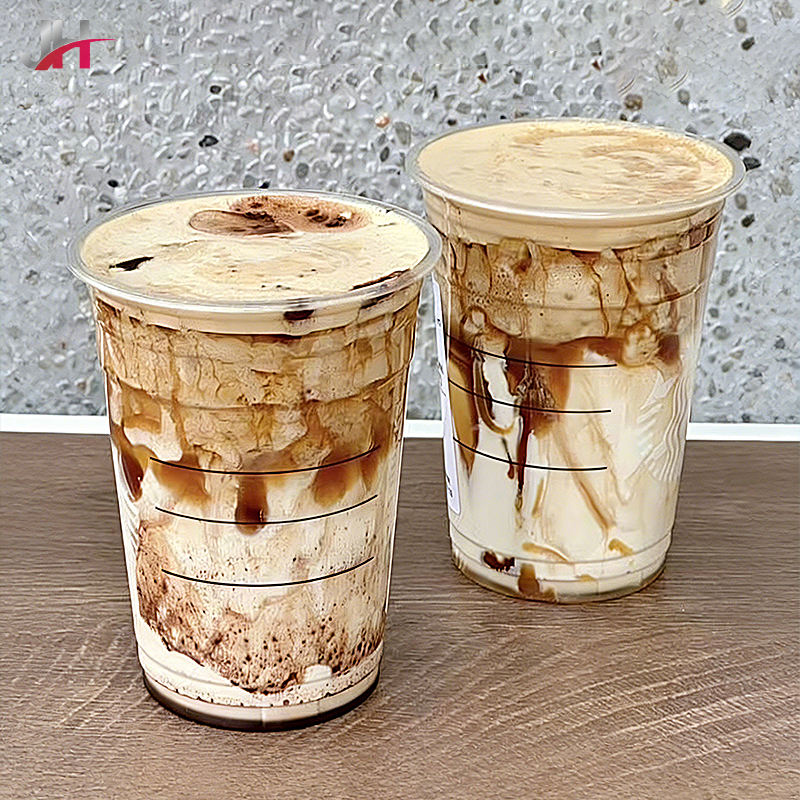
PET vs PP Cups: The Ultimate Comparison Guide for Beverage Brands
Choosing between PET and PP cups can significantly impact your beverage brand's presentation and bottom line. We compare the key differences in transparency, heat resistance, and cost.
Read Guide →
Plastic Cup Lid Size Chart: The Complete Guide to 90mm, 95mm, and 98mm Compatibility
Lid mismatch is a top cause of customer complaints. Our engineering guide explains the caliber system and how to standardize your inventory with 90mm, 95mm, and 98mm universal lids.
Read Guide →
Bubble Tea Cup Sizes Chart: 12oz, 16oz, 22oz in oz & ml (Boba Guide)
Which cup size is right for your boba menu? This chart breaks down 12oz, 16oz and 22oz boba cups in both oz and ml, shows how major chains name their sizes, and explains why the 95mm U-shape cup is taking over.
Read Guide →
How to Import Plastic Cups from China: A Complete Guide on MOQ and Logistics
Importing packaging can be complex. We simplify the process by explaining factory-direct MOQ, container loading, and how to verify food-grade quality certificates.
Read Guide →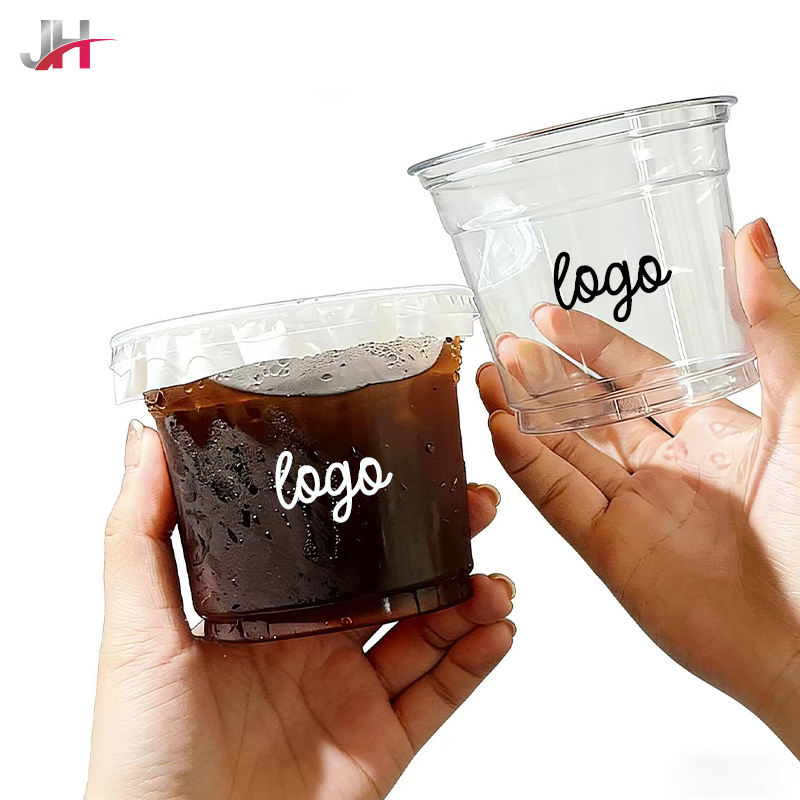
PET Cup Weight and Cost Guide: Why Grams Matter in Sourcing
Not all plastic cups are equal. The weight of a cup (in grams) determines its rigidity and cost. We share our factory weight standards for the 74mm-107mm series.
Read Guide →
Cup Sealing Film & Sealing Machine Guide: Choosing the Right Film for PET and PP Cups
Leaky seals and jammed machines usually trace back to the wrong film. This guide explains how to match PP or PET sealing film to your cup caliber and cup shape, and how custom-printed film reinforces your brand.
Read Guide →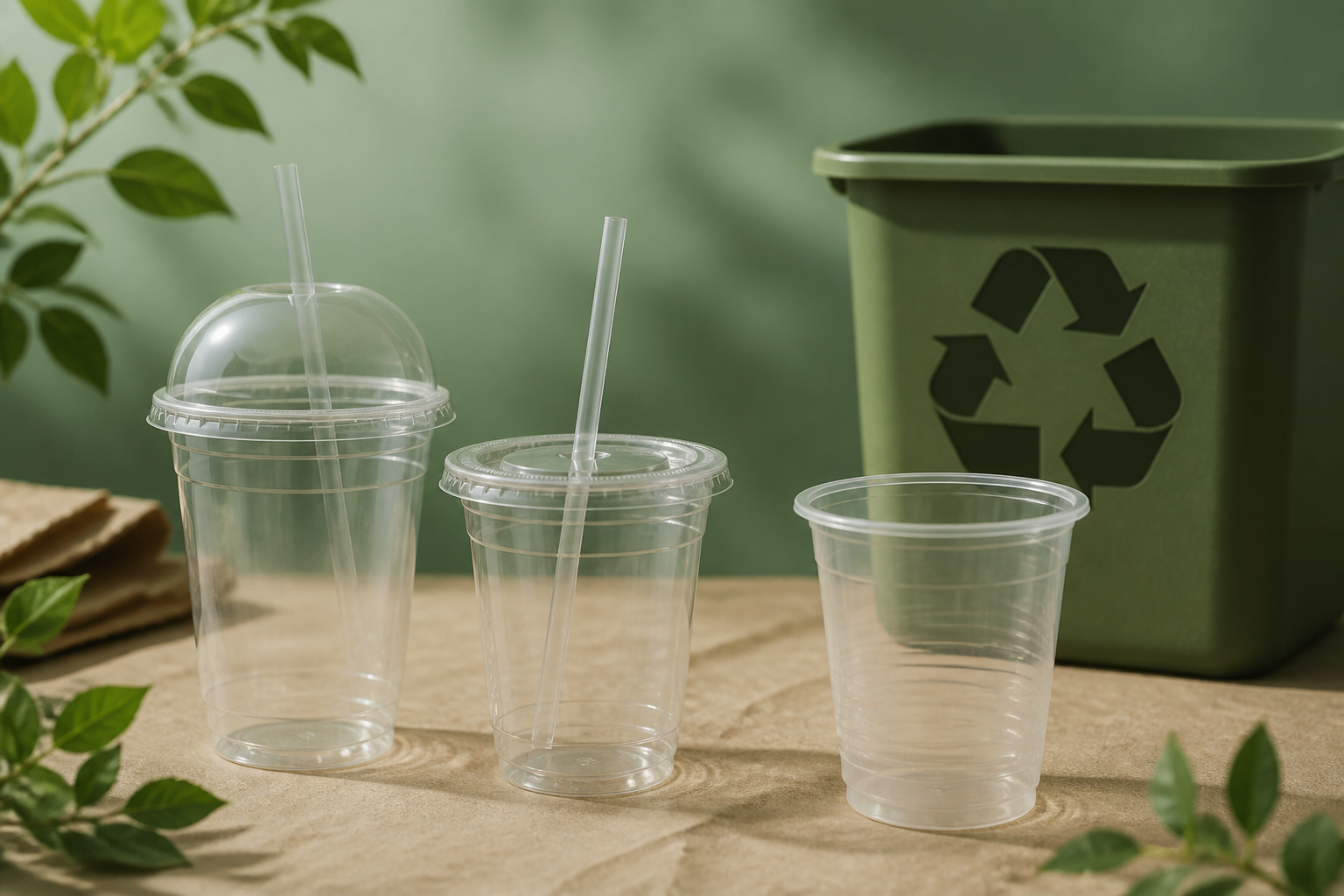
Paper Cups vs PLA Cups: A Cost and Compliance Guide for Eco-Focused Brands
Going eco does not mean one-size-fits-all. We compare paper cups and clear PLA cold cups across wall construction, coating options and market compliance to help you pick the right eco line.
Read Guide →How Cup Caliber Standardization Cuts Your Lid Inventory Costs
Every extra caliber means another lid SKU, another film roll and more storage. We explain how standardizing around one or two calibers keeps your inventory lean and your seals reliable.
Read Guide →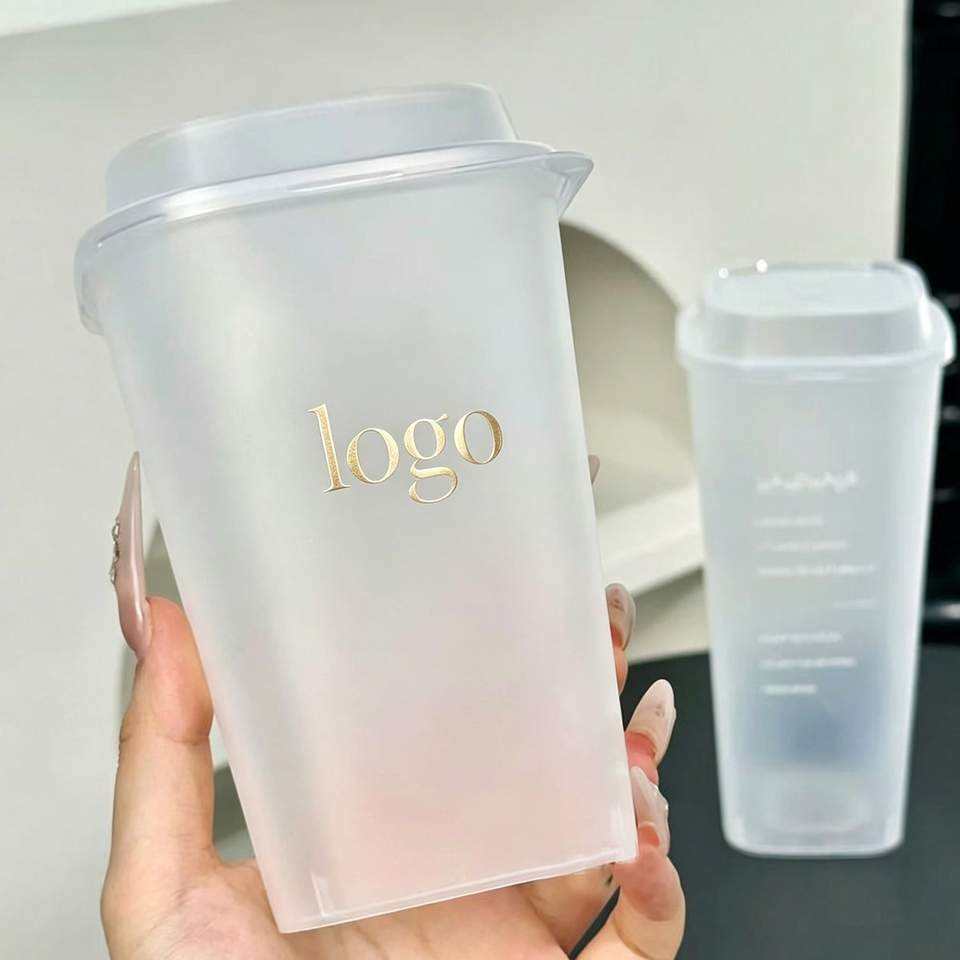
Square Injection PP Cups: A Differentiation Play for Premium Tea Brands
When every boba shop uses round cups, a square cup stops the scroll. We look at the 92mm square injection PP series and how its shape and finishes create brand differentiation.
Read Guide →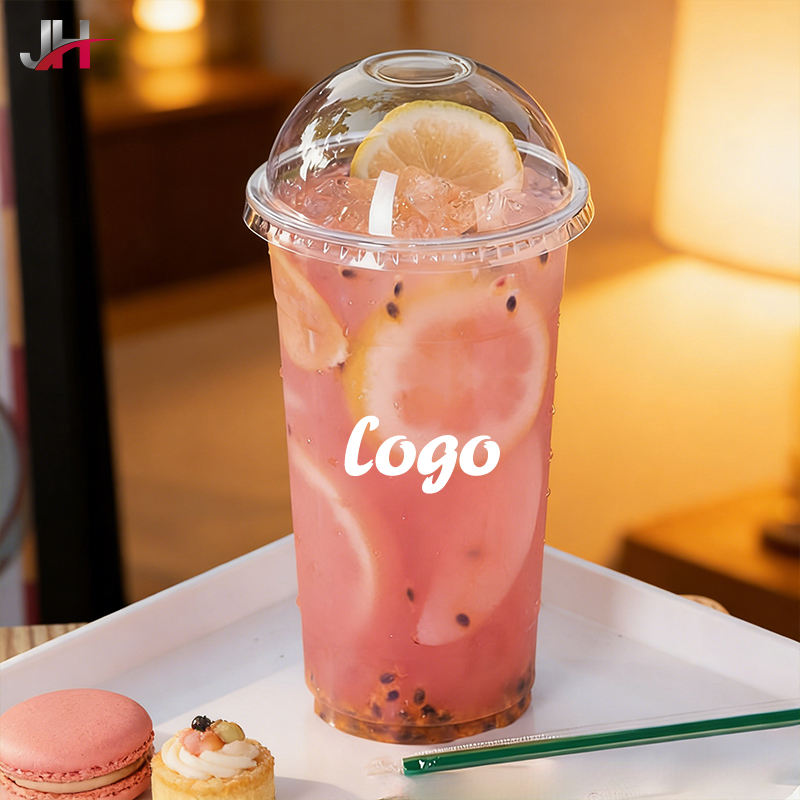
PET Cup Capacity and Carton Planning Guide: Match Sizes to Your Menu
A cup range is easier to buy when every model is compared by caliber, capacity, weight and carton quantity. Use this verified PET reference before finalizing a menu or purchase plan.
Read Guide →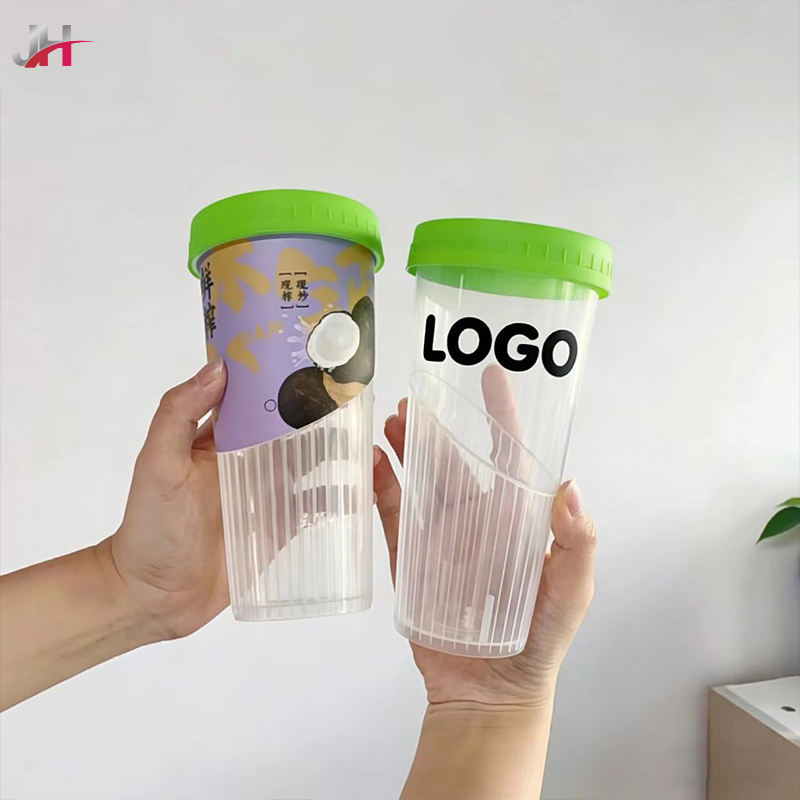
Injection PP Cup Model and Weight Guide: 500ml to 960ml Selection
Injection PP cups vary by format as well as capacity. Compare the listed 95mm round and U-shape models with the 92mm square series before choosing a cup for hot or cold service.
Read Guide →Cup Lid Weight and Caliber Guide: Choosing PET and PP Lids
A lid is a fit-critical component, not a generic accessory. Use this verified weight and caliber table to compare PET and injection PP lid options before requesting samples.
Read Guide →
Paper Cup Wall Types Explained: Single, Double and Ripple Wall
The wall construction of a paper cup decides its insulation, grip and cost. This guide compares single, double and ripple wall using our verified paper cup specifications.
Read Guide →U-Shape Fat Cups for Bubble Tea: The 95mm Signature Format
The U-shape fat cup shows off boba and brown-sugar streaks like no tapered cup can. Here are the verified 95mm U-shape PP specifications and how to plan around them.
Read Guide →Strawless and Sipper Lids: Meeting Plastic-Reduction Rules
As more markets restrict single-use straws, sipper and half-open lids let customers drink straw-free. Here are the verified sipper lid specifications and where they fit.
Read Guide →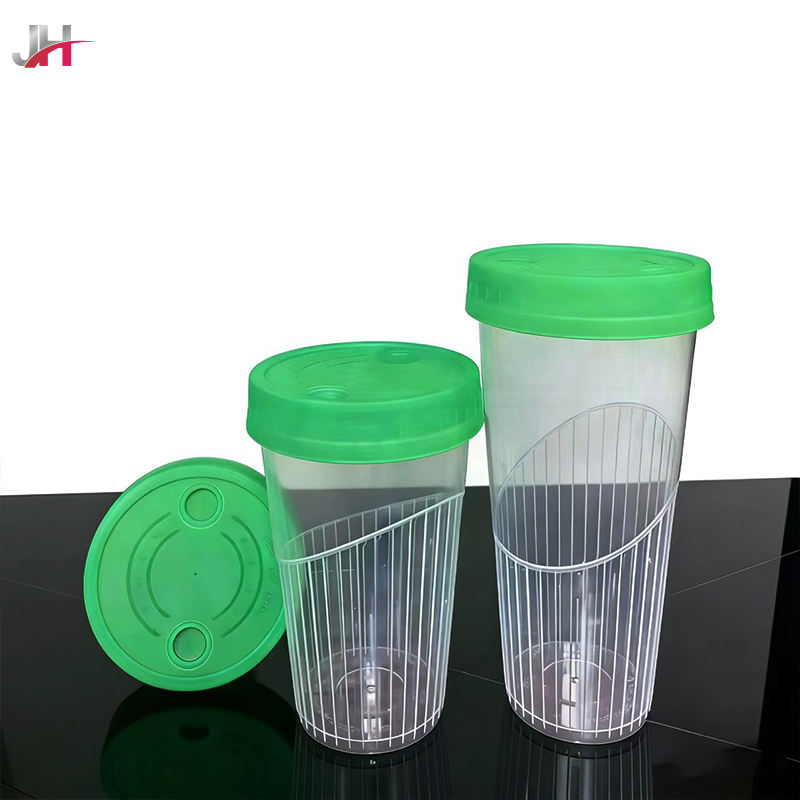
Injection Molding vs Thermoforming: How Your Cup Is Actually Made
Two cups can look similar and be made in completely different ways. This guide explains injection molding versus thermoforming and how the process shapes weight, rigidity and cost.
Read Guide →Large-Format Cups (30-32oz): A Sourcing Guide for Smoothies & Shareables
Jumbo drinks need cups that hold shape and ship efficiently. This guide covers verified 107mm 30-32oz specifications and how to plan lids and cartons for large-format menus.
Read Guide →Leak-Proof Takeaway Cups & Carrier Solutions: A Delivery Reliability Guide
A spilled drink in a delivery bag means a lost customer. This guide breaks down the three layers of leak protection — the right lid, a reliable seal, and a secure carrier.
Read Guide →98mm PET Cups: The Sourcing Standard for the US Beverage Market
98mm is the dominant caliber in North America. This guide covers verified 98mm PET specifications for 12oz to 24oz models.
Read Guide →How PET Cups Perform in Cold-Chain and Iced-Drink Service
Cold drinks and chilled transport put specific demands on a cup. This guide explains why PET suits iced-drink service and cold-chain handling.
Read Guide →Hot Drink Cup Selection Guide: PP, Double-Wall and Ripple-Wall Options
Not every cup survives a hot drink. PET cracks above 60°C, so hot service needs injection PP or insulated paper. This guide matches the right hot-drink cup to your menu.
Read Guide →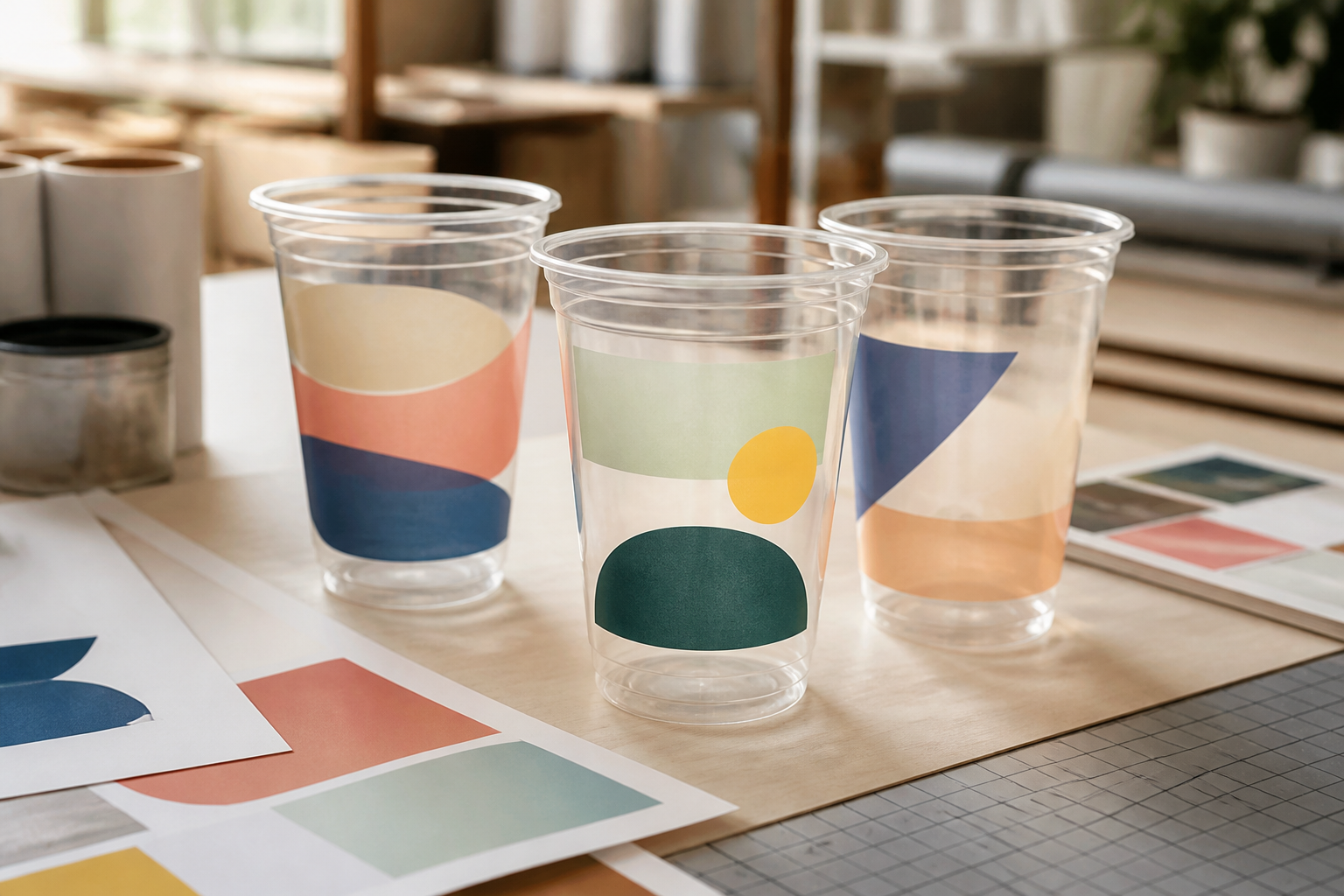
Custom Printed Cups: A Guide to Logo Printing, MOQ and Artwork
Branded cups turn every drink into a marketing impression. This guide covers the custom-print MOQ, artwork preparation and the decisions to confirm before you place a printing order.
Read Guide →
Coffee Cup Sizes Guide: 8oz, 12oz and 16oz Hot and Iced Standards
Coffee runs on a different size language than boba. This guide covers the 8/12/16oz hot-cup standards, the PET route for iced coffee, and how to keep lids consistent across a coffee menu.
Read Guide →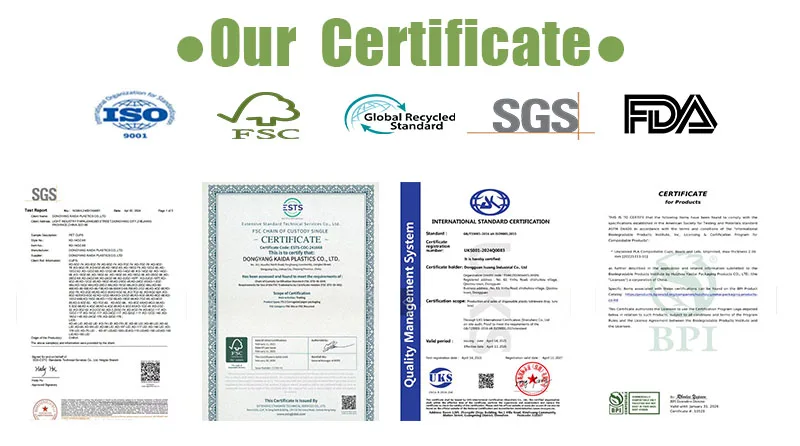
Are Plastic Cups Food Safe? PET, PP and FDA Food-Grade Explained
Food safety is the first question serious buyers ask. This guide explains food-grade PET and PP, recycling codes, temperature limits and what to confirm with any cup supplier.
Read Guide →
Cup Accessories Guide: Sleeves, Carriers, Trays and Straws
Cups and lids are only half the takeaway story. Sleeves, carriers, trays and straws protect drinks in delivery and lift the unboxing experience. Here is how to plan the accessory layer.
Read Guide →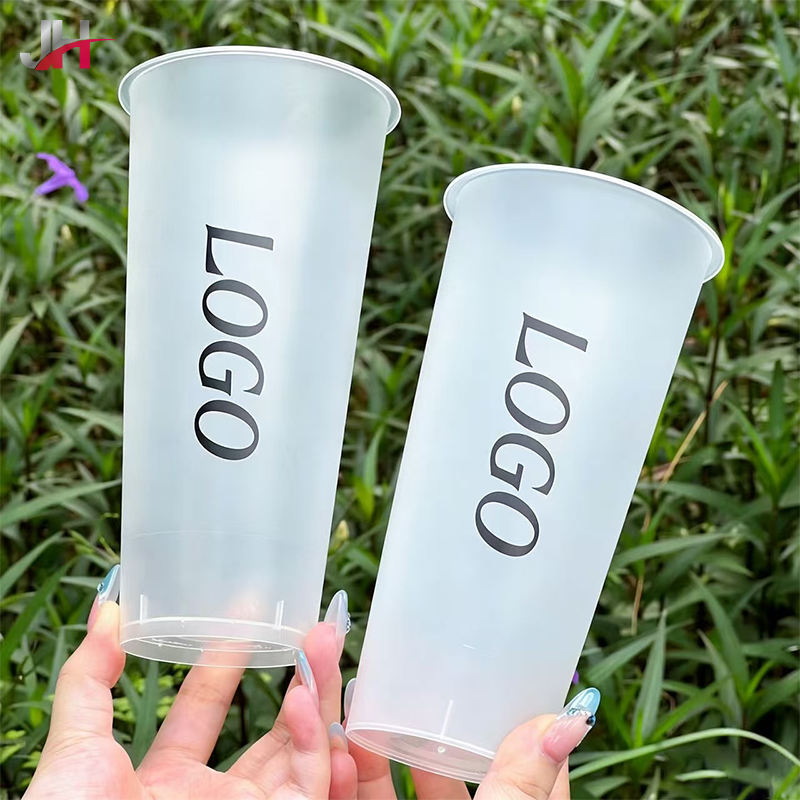
Clear vs Frosted PP Cups: Which Finish Fits Your Brand
Both clear and frosted injection PP cups feel premium in the hand — but they send different brand signals. This guide helps you choose the finish that fits your drinks and positioning.
Read Guide →Cup MOQ Explained: How to Start Small With Custom Cups
MOQ is the number that decides whether a small brand can get branded cups at all. This guide explains how the 1,000 pcs custom-print MOQ works and how to plan a lean first order.
Read Guide →Smoothie & Slush Cup Sizes: 16oz, 22oz & 32oz in oz and ml
Smoothies and slushies need taller cups and dome lids to show off texture and hold toppings. Here is how to size your smoothie menu using the same standard calibers as your boba range.
Read Guide →Sustainable Cup Sourcing: PLA, Paper & Recyclable Options Explained
Eco-conscious buyers want greener cups without blowing the budget. Here is how PLA, paper and recyclable plastic compare, and what to verify before you place a sustainable cup order.
Read Guide →
Cafe Cup Buying Guide: How to Choose Cups, Sizes & Suppliers
Opening or restocking a cafe? This guide walks through every cup decision — material, size, lid, MOQ and branding — and links to the detailed reference for each step.
Read Guide →Custom Logo Printing for Disposable Cups: Offset vs. Silk Screen Methods
Your cup is a walking billboard. We compare the two most common printing methods—Offset and Silk Screen—to help you choose the right one for your logo and budget.
Read Guide →74mm PET Dessert Cups: A Sourcing Guide for Parfaits, Yogurts and Samples
Miniature packaging needs the same clarity and seal quality as large drinkware. This guide covers the verified 74mm PET dessert cup specs and how to plan lids for parfaits and samples.
Read Guide →U-Shape PET vs PP Cups: Choosing the Right Rounded Bottom for Your Brand
The "U-Shape" or "Fat Cup" has become the visual signature of premium bubble tea. Learn how to choose between crystal-clear thermoformed PET and rigid injection-molded PP for your rounded-bottom drink menu.
Read Guide →PET Cup Printing Guide: 5 Design Tips to Avoid Distorted Logos
A great logo can look terrible if not adjusted for a curved, transparent cup. This guide shares 5 factory-verified tips for designing crisp, vibrant branded PET cups.
Read Guide →90mm Injection Lid Guide: Funnel, Switch, and Double-Hole Options
The 90mm injection lid is the premium standard for modern beverage chains. We break down the functional differences between funnel lids and switch lids to help you pick the perfect seal.
Read Guide →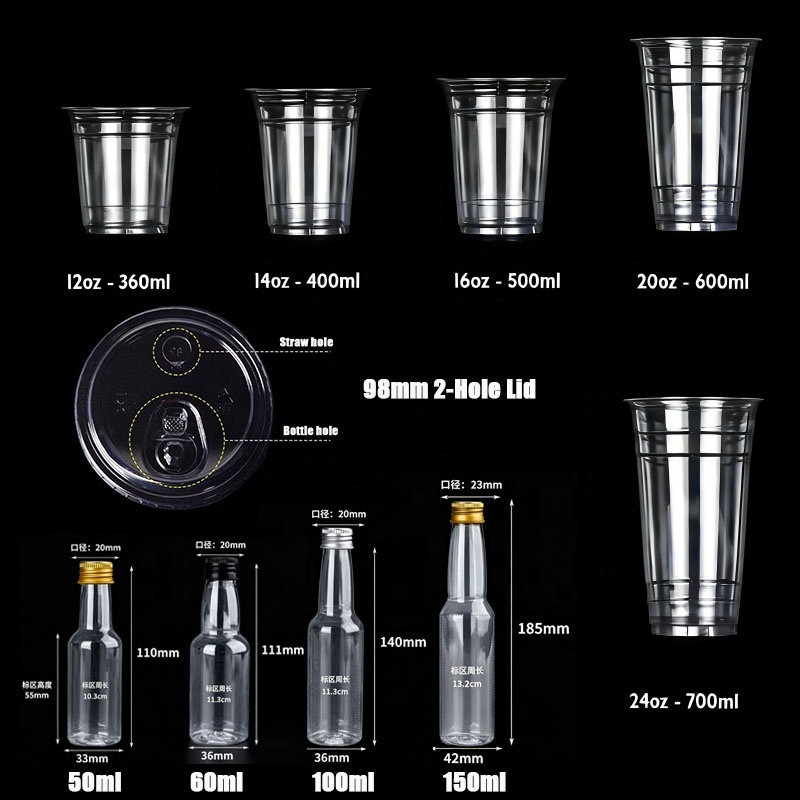
Starbucks vs Dunkin Iced Cup Sizes: A PET Sourcing Guide
When sourcing for a coffee shop, matching the "look and feel" of Starbucks or Dunkin is often the benchmark. We break down their iced cup volumes and the PET calibers required to achieve them.
Read Guide →Custom Cup Printing Costs: Understanding Plate Fees and Unit Prices
The most common question from new brands is "How much does custom printing cost?" We pull back the curtain on factory pricing, from setup fees to bulk discounts.
Read Guide →PET Cup Recycling Guide: Navigating Global Sustainability Regulations
Sustainability is no longer optional. We break down the recyclability of PET cups, global labeling requirements, and why PET remains the most circular plastic for the drink industry.
Read Guide →The 80mm Caliber Injection Cup: Engineering High-Foot Elegance
The 80mm "high-foot" or "slim" injection cup is becoming the choice for premium specialty teas. We break down the precise grammage and height specs that make this series stand out.
Read Guide →
78mm PET Cups: How to Choose Between 5.5oz and 8oz Models
The 78mm PET series includes both 5.5oz and 8oz models. Use this side-by-side specification guide to align cup height and serving volume with your menu.
Read Guide →93mm PET Cups: Choosing Between 9oz and 12oz Models
The 93mm PET range includes a compact 9oz model and a taller 12oz model. Compare the listed dimensions before selecting a cup for your menu.
Read Guide →PET Cup Size Comparison: 78mm vs 93mm Models for Beverage Menus
A 78mm or 93mm rim is only one part of the specification. Compare four catalog PET models to see how capacity, height, base and weight change together.
Read Guide →95mm PET Cups: How to Choose Between 16oz and 22oz Models
The 95mm PET series pairs two menu sizes with one rim caliber. Compare the listed 16oz and 22oz dimensions before choosing a cup for bubble tea, iced coffee or smoothies.
Read Guide →95mm PET vs PP Cups: A Same-Caliber Menu Planning Guide
A shared 95mm rim does not make PET and PP cups interchangeable. Compare the listed models and keep material, capacity and operating use separate in your purchase plan.
Read Guide →74mm PET Dessert Cups: 3oz Model Specifications and Shipping Guide
The 74mm PET series is specifically designed for small-format desserts and samples. Compare the listed 3oz dimensions and carton density before finalizing a purchase plan.
Read Guide →92mm Square Injection PP Cups: Choosing Between 650ml and 960ml
The 92mm square series offers a modern, premium alternative to traditional round cups. Compare the listed 650ml and 960ml specifications before standardizing your specialty drink menu.
Read Guide →107mm PET Jumbo Cups: 30oz/32oz Specs & Lid Fit
The 107mm PET series represents the largest format in our cold cup catalog. Compare the listed 30oz and 32oz dimensions before finalizing your jumbo drink or dessert menu.
Read Guide →95mm Round PP Cups: 500ml, 650ml & 750ml
The 95mm round PP series offers three listed capacities for different beverage menus. Compare the complete specification rows before selecting a model for sampling or production.
Read Guide →
117mm PET Cup Size Chart: 330ml to 1,000ml | Claropack
Six 117mm PET catalog rows span 330ml to 1,000ml. Compare their dimensions and weights before requesting drawings and matching-lid samples.
Read Guide →90mm Flat-Bottom Injection PP Cup Size Chart | Claropack
The 90mm flat-bottom PP catalog lists multiple capacities, but weights and carton quantities differ. Compare six clear specification rows before requesting samples.
Read Guide →119mm PP Cup Size Chart: 700ml and 1,000ml Formats | Claropack
The 119mm PP catalog includes a standard 1,000ml row and fruit-bucket formats at 700ml and 1,000ml. Compare their complete specification rows before requesting samples.
Read Guide →109mm PP Cup Chart: Fruit Bucket & Torch Models
The PP catalog lists 109mm Fruit Bucket rows and a 109mm Torch row. Compare their complete model data and resolve the catalog dimension-label difference with a final drawing.
Read Guide →85mm PP Cup Chart: Anti-Scald & Screw-Lid Models
The injection PP catalog lists one 85mm anti-scald model and two screw-lid models. Compare their complete rows before requesting a sample or quotation.
Read Guide →108mm 1,000ml Injection PP Cup Size Guide | Claropack
The injection PP catalog lists one 108mm 1,000ml model. Use its complete row for sample planning and confirm the final drawing, lid fit and production documents.
Read Guide →105mm Dessert Bucket PP Cups: 400ml, 500ml & 700ml
The PP catalog lists three 105mm Dessert Bucket models from 400ml to 700ml. Compare the complete rows before checking lid, carrier and filling fit.
Read Guide →
82mm Square PP Cups: 520ml and 700ml Size Chart
The injection PP catalog lists two 82mm Square models at 520ml and 700ml. Use the complete model rows to plan samples and confirm closure fit.
Read Guide →90mm Straight PP Cups: 500ml and 700ml Size Chart
The injection PP catalog lists two 90mm Straight models at 500ml and 700ml. Compare their dimensions and weights before confirming the final cup and closure setup.
Read Guide →90mm High-Foot PP Cups: 400ml to 700ml Size Chart
The injection PP catalog lists six 90mm High-Foot models from 400ml to 700ml. Use the exact rows to compare dimensions and listed weights before ordering.
Read Guide →90mm Wide-Foot PP Cups: 360ml, 500ml and 700ml
The injection PP catalog lists three 90mm Wide-Foot models at 360ml, 500ml and 700ml. Compare the complete rows before confirming the final cup and closure setup.
Read Guide →92mm PET Cups: 200ml to 500ml Catalog Size Chart
Seven current 92mm PET catalog rows cover 200ml to 500ml. Compare the exact model, listed dimensions and weight before requesting a drawing or cup-and-lid sample.
Read Guide →90mm U-Shape PP Cups: 260ml to 700ml Size Chart
The injection PP catalog lists six 90mm U-Shape models from 260ml to 700ml. Compare the complete model rows before confirming cup, lid or sealing-film fit.
Read Guide →Need professional advice on cup materials?
Our experts help brands choose the perfect caliber and material for their menu.
Talk to an Expert